It’s time to stop talking about ‘winners’ and ‘losers’ when it comes to government budgets
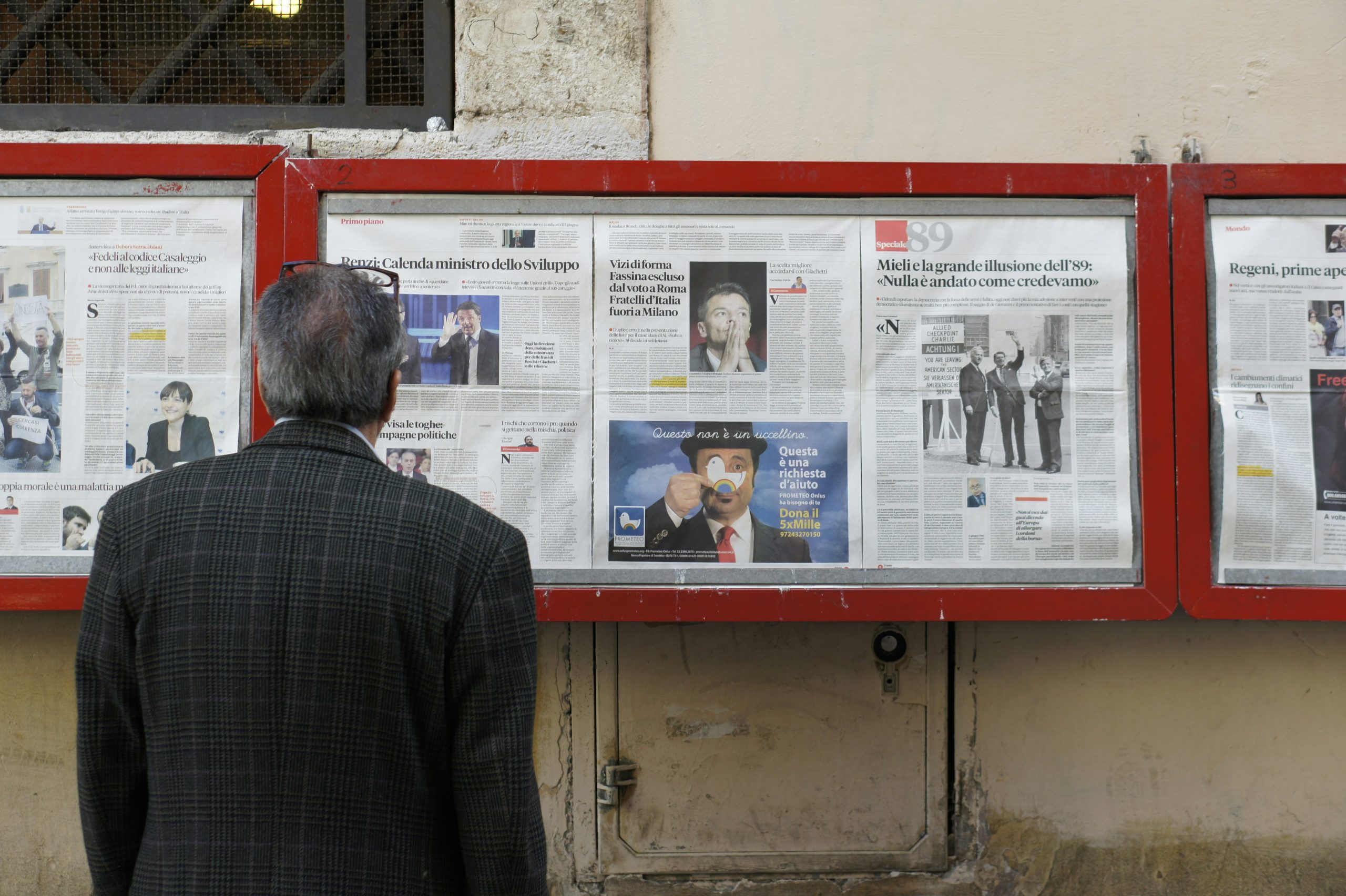
Each year when the budget is released, news sites go live with headlines like ‘see the winners and losers of the [insert year here] budget.’
The budget papers are presented across four separate reports which are collectively hundreds of pages long. While there is a need to present this in a more digestible format, oversimplifying it into a list of ‘winners’ and ‘losers’ is hugely problematic. This is particularly true for areas relating to social policy and equity.
When governments invest in areas that make it fairer and increase equity – like increasing access to housing, healthcare, disability services, education or employment – it isn’t one group of people or a sector that benefits or ‘wins’ – but the whole community.
Growing inequity contributes to worsening outcomes in healthcare, education and wellbeing. This affects all of us.
It’s hugely problematic to suggest that there is one group of ‘winners’ and ‘losers’ if governments choose to invest more in aged care or early learning centres. These are things that governments should and must do because they are important and needed. This is true whether people ever need to access these or not.
The ‘winners’ and ‘losers’ lists don’t describe how yet another missed opportunity to ‘raise the rate’ of income support for people in our country who are doing it tough, affects all of us. They don’t unpack the general sentiment that everyone should be able to feed their families, afford medicine and go home to a safe and secure house.
These lists also contribute to the politics of division.
With headings in the ‘winners’ and ‘losers’ lists describing groups of people as ‘would-be migrants’ and ‘foreign property buyers’ – you can immediately start to see how people can be played-off against each other for political gain. This is especially true in an election year where party lines are already starting to be drawn around support for different population sub-groups.
We don’t live in a vacuum or in isolation of each other. We coexist as a community of humans who are more likely to thrive when others are also doing so.
If we’re going to have more nuanced conversations about the Australia that we want and the building blocks that contribute to this, then this needs to start with ending this divisive approach to communicating political decisions.
We should be looking at budget announcements based on their impact on our collective wellbeing. Do the decisions of government benefit us collectively as a community? Do they lift people up who are falling behind? Do they mean that everyone has access to the requirements of life – food, shelter, health, education and employment?
After all, when governments don’t prioritise fairness, equity and our wellbeing ahead of all else, we all lose.
Caterina Giorgi, For Purpose