Flexible work and gender equity
Caterina Giorgi, For Purpose
When I had my second baby during one of the waves of COVID and amid restrictions, I was working as CEO of a national not-for-profit organisation. At the time, I was mainly working from home and this meant that I didn’t have to choose between work and breastfeeding my baby. It also allowed me to continue to contribute to my workplace and community, while growing my family.
I often reflect on how this might not have been possible if it wasn’t for the significant disruptions that have occurred in our workplaces over the past five years.
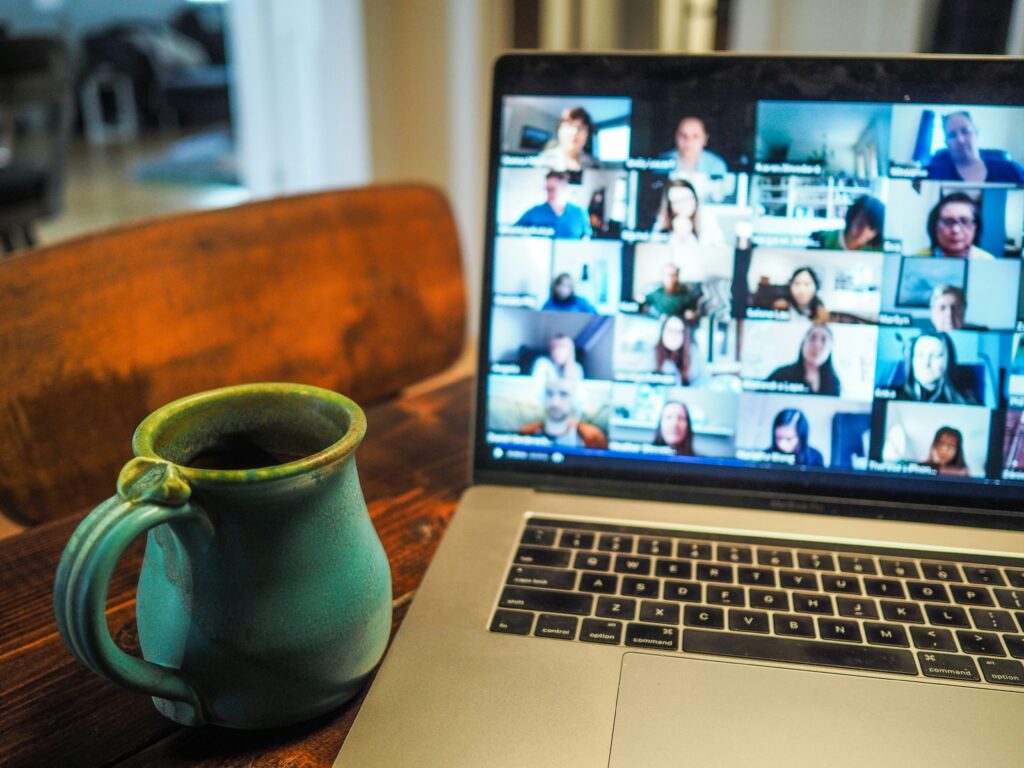
During the early days of the pandemic, the landscape for work changed substantially. These changes meant that things we were told were not possible, like the option to work from home or to hold that meeting virtually rather than face-to-face, quickly emerged as the only way.
As COVID restrictions were lifted, one of the questions many of us were pondering was how quickly the ‘snap back’ would occur. How quickly would the support for working from home shift back to the absolute need for everyone to always be in the office? How quickly would that zoom meeting give way to the need to get on a plane and travel interstate for that meeting that ‘had to happen’ in person? How quickly would the encouragement to stay home and take leave if you’re sick shift back to working through illness?
In recent years, big companies have started demanding that everyone be in the office five days a week. The call by Amazon, Dell and JP Morgan Chase to require their staff to do so made global news. Once companies started to make the move, the focus shifted to the public service. In the United States President Trump called on all federal employees to return to the office five days a week.
In Australia, in the lead up to the federal election, the Liberal Party announced a policy that every public servant in Canberra return to the office five days per week. Fast-forward a couple of weeks and the policy has been abandoned.
So how did this become a key issue in an election during a time when we as a community are facing so many significant challenges? It was assessed by some as a possible political win, but as time has shown, this was clearly floored. The policy mirrored that adopted by Trump for federal employees in the United States. It also draws on the old tactic of trying to divide people, while demonising what was thought to be an easy target – people working in the public service. The announcement followed news that a Liberal Government would establish a Department of Government Efficiency, also reflecting a floored Trump policy.
The decision by the Liberal Party to abandon the policy was in response to a significant backlash against the measure. This wasn’t just from people working in the public service, but also people who are working in flexible arrangements across our community and across sectors. One of the reasons why people were particularly passionate about this issue is because this change would be particularly detrimental to women. Thats because it’s women who are predominantly doing the heavy lifting outside of work.
In Australia 43.3 per cent of women work part-time, compared to 19.5 per cent of men. More than a third (35.7 per cent) of women cite caring for children as the main reason they are unable to work or to work more hours, compared to 7.3 per cent of men. Women also do nine hours more unpaid work and care than men per week and one hour and 15 minutes more childcare.
Flexible work has many benefits for the community, including contributing to gender equity. The evidence supports this. The Chair of the Productivity Commission Danielle Wood shared that ‘well managed hybrid has no or even slightly positive effects on worker productivity’ and that it also ‘seems to be a positive for gender equity’, with an ‘increase in the share of Australian women (15+) working full-time in the 2 years coming out of lockdown was bigger than any increase in the previous 40 years’.
When we’re talking about returning to policies like removing work-from-home provisions, it is 100% gendered. It’s this this rigidity in workplace policies that continues to lead to the exclusion of women.
When people took a stand against this measure – it’s because it’s about more than where we work. It’s about how we live our lives, raise our families and contribute to our communities. It’s also about gender equity. All of this is worth fighting for.
8 April 2025